Presentation
Presentation Overview
C3-12 | Oct 23 (Thu) 18:30-19:30 [Simultaneous Translation] Night Session with Light Refreshments!
Note: This session was delivered in English with simultaneous translation services provided.
AI is lowering the barriers for attackers, supply chains are becoming more complex with invisible dependencies, and security incidents are increasingly bypassing traditional defenses by exploiting misconfigurations and vulnerabilities in abstraction layers.
This presentation connects the dots of recent cyber trends, from LLM-powered reconnaissance to CI/CD abuse and cloud-based over-exposure, making a compelling case for attack surface reduction as a fundamental security principle rather than an afterthought.
In a world where threats automatically expand and risks lurk in the shadows, reducing exposure may be the most effective countermeasure we can implement.
Speaker Profile
Anant Shrivastava | Cyfinoid Research
Anant Shrivastava is the founder of Cyfinoid Research. He has extensive experience in security (both offensive and defensive), development, and operations.
He has a rich track record as a trainer and speaker at prestigious conferences including Black Hat (USA, Asia, EU), Nullcon, and c0c0n. He also leads the open source project CodeVigilant and curates the Hacking Archives of India.
Outside of his official work, he contributes to open communities such as null community, Garage4Hackers, hasgeek, and OWASP, all with the common goal of spreading information security knowledge.
Event Information
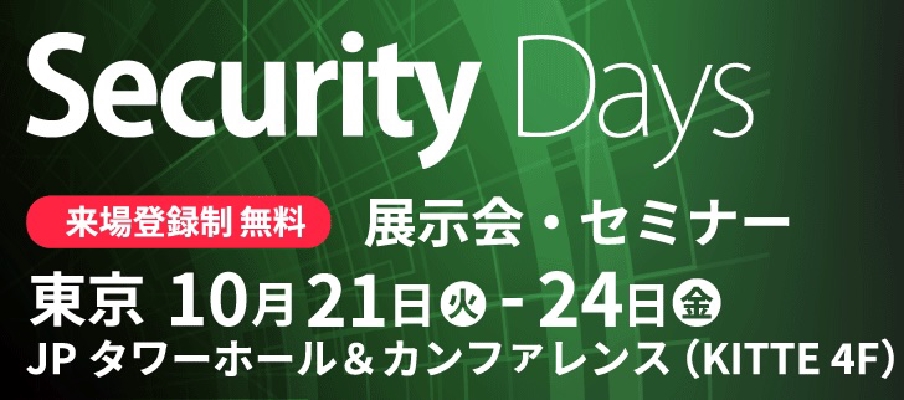
- Event: Security Days 2025 Fall
- Venue: Tokyo Venue
- Date & Time: October 23, 2025 (Thu) 18:30-19:30
- Format: Night Session (with light refreshments)
- Translation: Simultaneous translation available
- Official Site: Security Days 2025 Fall
日本語版 / Japanese Version
講演概要
C3-12|10.23(木) 18:30-19:30【同時通訳あり】軽食付きのナイトセッション!
注:このセッションは英語で実施され、同時通訳サービスが提供されました。
AIは攻撃者の障壁を下げ、サプライチェーンは目に見えない依存関係で複雑化し、セキュリティインシデントは誤設定や抽象化レイヤーの脆弱性を突くことで従来の防御をすり抜けることが増えている。
本講演では、LLMを活用したリコンからCI/CDの乱用、クラウドベースの過剰な露出まで、近年のサイバー・トレンドを点と点で結び付け、攻撃対象領域の削減を後回しにするのではなく、セキュリティの基本原則とする説得力のあるケースを紹介する。
脅威が自動的に拡大し、リスクが見え隠れする世界において、露出を減らすことは私たちにできる最も効果的な対策かもしれない。
講演者プロフィール
Anant Shrivastava | Cyfinoid Research
Anant Shrivastavaは、Cyfinoid Researchの創設者である。セキュリティ(攻撃および防御)、開発、運用の分野で経験を積む。
Black Hat(USA, アジア, EU)、Nullcon、c0c0nをはじめとする著名なカンファレンスで、トレーナーおよびスピーカーとして豊富な実績を持つ。また、オープンソースプロジェクトのCodeVigilantを主導し、Hacking Archives of Indiaをキュレーションしている。
公式の業務以外では、null community、Garage4Hackers、hasgeek、OWASPといった、情報セキュリティの知識普及を共通の目標とするオープンコミュニティに貢献している。
イベント情報
- イベント: Security Days 2025 Fall
- 会場: 東京会場
- 日時: 2025年10月23日(木)18:30-19:30
- 形式: ナイトセッション(軽食付き)
- 通訳: 同時通訳あり
- 公式サイト: Security Days 2025 Fall